
The worst foods for prostate health
Ten foods commonly advised to limit — with an honest account of how strong the evidence is for each, and a practical set of swaps that are easier to keep up than a diet you abandon by Thursday.
- check_circleLong-term risk and daily symptoms, separated
- check_circleWhat to add, not just what to cut
- check_circleNo invented statistics
Updated 17 September 2026 · Welavyn editorial · Independent affiliate guide

What diet can and cannot do
No single food causes prostate disease and no single food prevents it. Most research here is observational: it shows a pattern and an outcome occurring together, not that one caused the other.
Long-term risk
Dietary patterns that large studies have associated with prostate disease risk over decades. Slow, cumulative, and never about one meal. Items 1–8 below sit mostly here.
Day-to-day symptoms
Things that irritate the bladder or increase how often you get up at night. These act within hours, and changing them can make a noticeable difference quickly. Items 9 and 10 sit here.
Neither is a treatment
Diet is a sensible background measure. It is not a diagnosis, not a treatment, and not a reason to put off a check-up you have been avoiding.
Ten foods most often advised to limit
Grouped by how strong the case is, rather than ranked for drama.
1 · Processed and cured meats
Bacon, sausages, salami, hot dogs and deli meats are the most consistently flagged category in dietary guidance generally, and tend to be high in salt and saturated fat too. If you change one thing, start here.
2 · Red meat cooked hot
The concern is less red meat itself than charring, barbecuing or hard frying, which produces compounds studied in relation to cancer risk generally. Gentler cooking, and not eating the blackened parts.
3 · Very high dairy and calcium
Some large observational studies associate very high dairy or calcium intake with higher risk. “Very high” is the operative phrase — this is not an argument for cutting dairy out, but against stacking a high-dairy diet on top of a calcium supplement.
4 · Deep-fried food
Repeatedly heated frying oil produces degradation products, and fried food tends to displace better things from the plate. A modest association, but an easy category to cut back without feeling deprived.
5 · Sugar-sweetened drinks
The clearest link is indirect but strong: sugary drinks drive weight gain, and excess body weight is associated with worse outcomes in prostate disease. This is the item with the best-established downstream case.
6 · Ultra-processed snacks
Energy-dense, easy to overeat, and they crowd out vegetables, fibre and fish. More useful treated as a weight and overall-diet issue than as a prostate issue specifically.
7 · Alcohol, especially heavy intake
Heavy drinking is associated with poorer outcomes across the board, and alcohol is a bladder irritant and a diuretic, so it sits in both halves of this article. Moderate intake is genuinely contested; heavy intake is not.
8 · Very salty foods
High salt raises blood pressure, and there is some evidence linking it to worse urinary symptoms. Most dietary salt comes from processed food rather than the salt cellar.
9 · Caffeine — for symptoms, not risk
A diuretic and bladder irritant. Cutting afternoon and evening coffee, tea and cola is one of the fastest experiments you can run. Note coffee has been associated with lower risk in some research — a good example of why “good food / bad food” lists mislead.
10 · Large evening fluid loads
Not a food to avoid so much as a habit to move. Drinking most of your fluid late loads the bladder overnight; shifting it earlier, without drinking less overall, often reduces night-time trips. Spicy food irritates the bladder for some men and not others — test it on yourself.
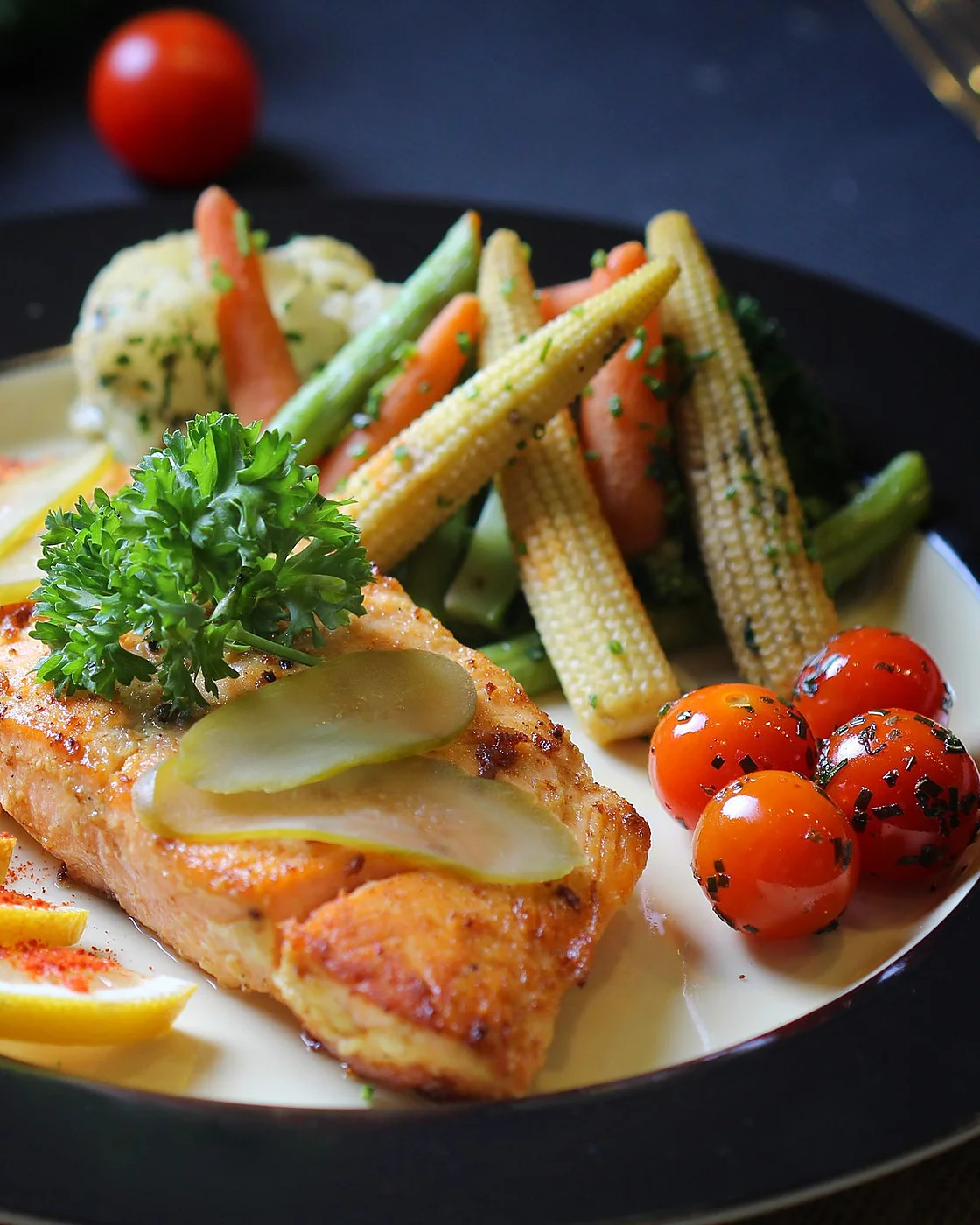
What is good for the prostate
The more useful framing is what to add rather than what to remove. A Mediterranean-style pattern is the one most consistently associated with better outcomes, and it is built from ordinary food.
- Cooked tomatoes. Lycopene is better absorbed from cooked tomato with a little oil than from raw — sauce and tinned tomatoes count for more than a side salad.
- Cruciferous vegetables. Broccoli, cauliflower, cabbage, kale, Brussels sprouts.
- Oily fish. Salmon, mackerel, sardines, herring — a couple of times a week.
- Nuts and seeds. Pumpkin seeds especially; a reasonable everyday snack regardless.
- Legumes. Beans, lentils and soy foods.
- Green tea. An easy swap for a late-afternoon coffee if urgency is an issue.
- Olive oil instead of butter as the default cooking fat.
- A healthy weight, and regular movement. Dull advice, and better supported than anything else on this page.
A week of small swaps
Realistic beats perfect. One change a day for a week does more than a diet you abandon by Thursday.
Bacon → eggs or porridge
Swaps out the most-flagged category on the list, at the meal where it is easiest to change.
Fizzy drink → water or sparkling water
The clearest weight-related win available in a single swap.
4pm coffee → green tea or decaf
Often reduces night-time trips within days — the fastest feedback on this page.
Charred steak → baked fish twice a week
Less high-heat cooking, more oily fish, in one change.
Evening crisps → pumpkin seeds or walnuts
Swaps an ultra-processed snack for a traditional inclusion.
Water after 8pm → the same amount, earlier
Same hydration, fewer overnight wakes. Costs nothing.

Small changes, kept up
The most common mistake is trying to change everything at once. Diet research is about patterns held for years, not weeks — which means the change you can still be doing next spring is worth more than the stricter one you drop by October.
Two things make that easier. Change the meal you eat most predictably first — usually breakfast, because it is the same every day and the swap only has to be decided once. And add before you subtract: putting oily fish, beans and cooked tomatoes into the week tends to displace the rest on its own, with far less willpower than banning things outright.
If you live with someone, agree the change together. Two people keeping a habit is a different proposition from one person resisting the kitchen.
See a doctor about these, whatever you eat
Blood in your urine, being unable to pass urine, fever or severe pain with urinary symptoms, or a sudden change in how you are urinating all need medical assessment rather than a dietary experiment.
Ongoing symptoms — a weak stream, urgency, getting up repeatedly at night — are worth a conversation with your GP too, because they have several possible causes and only one of them is helped by changing your breakfast.
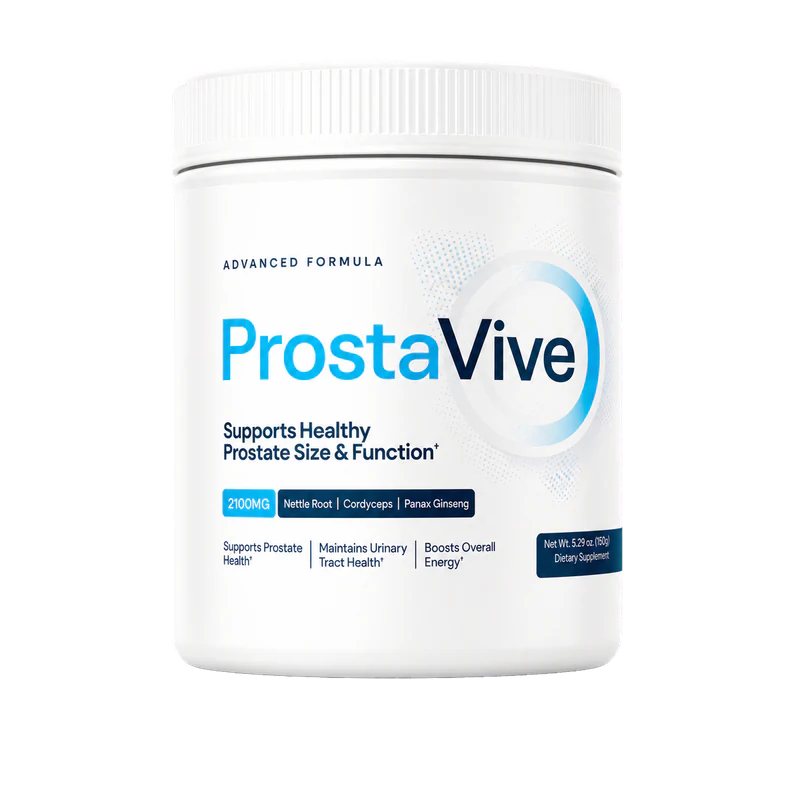
Where a supplement fits, if at all
Food first. A supplement cannot compensate for a diet built on the first half of this article, and any product sold on the promise that it can is selling you something.
If your diet and weight are broadly sorted and you are looking for something additional, that is the point at which a formulated supplement becomes a reasonable conversation — with your doctor if you take medication, and with a clear head about what it can realistically do.
For transparency: Welavyn is an affiliate site, and we write about one such product. We have set out its full ingredient panel, its known ingredient cautions and its refund terms so you can judge it on the detail rather than on a promise. Read the safety page before the sales page.
Common questions
What are the worst foods for prostate health?add
Is coffee bad for your prostate?add
What is good for prostate health?add
Can changing my diet shrink my prostate?add
More from Welavyn
ProstaVive reviews
Where the reviews come from, the complaints worth knowing and how to judge them.
Read the guide arrow_forwardwater_dropProstaVive vs Prostadine
Powder against drops: formula, price and guarantee side by side.
Read the guide arrow_forwardscienceProstaVive vs BioZen
What each label tells you, and what it leaves out.
Read the guide arrow_forwardhealth_and_safetySide effects & safety
Ingredient cautions, who should ask a doctor, where it is sold.
Read the guide arrow_forward